
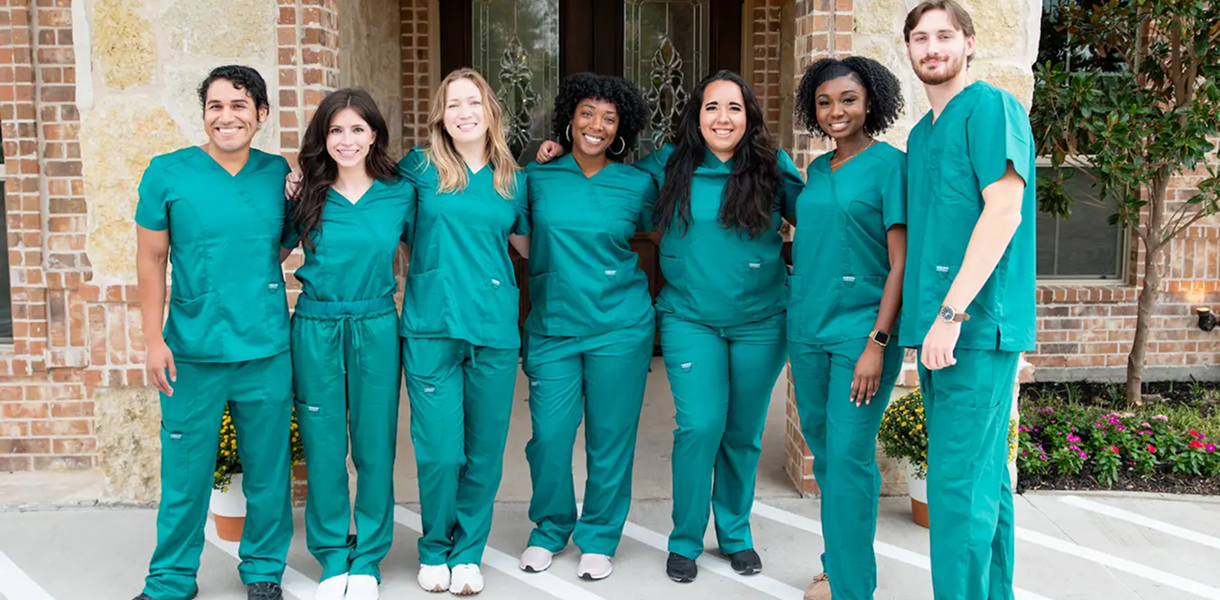
Brain Health Research & Resources: Celebrating Brain Awareness Week
Research & Resources: Celebrating Brain Awareness Week
The week of March 16 is Brain Awareness Week, a global campaign dedicated to increasing public awareness of the progress and benefits of brain research. Staying informed through reputable scientific organizations and learning healthy daily habits can significantly impact brain health and well-being
5 Activities and Tips for Brain Health
Engaging the brain through consistent healthy lifestyle choices can help build cognitive reserve and preserve mental sharpness as we age. Here are five ways to proactively support brain health:
- Engage in Cognitive Workouts: Puzzles, reading, or memory-based games help keep neural pathways active and support overall brain health. Trying a new challenge like learning a language, playing a musical instrument, or even navigating a new neighborhood without GPS also promotes neuroplasticity.
- Prioritize Social Connection: Staying socially active is one of the most effective ways to support brain health. Meaningful interaction through volunteering, joining a club, or regular gatherings with friends helps reduce the risk of depression and chronic stress, both of which are linked to cognitive decline.
- Incorporate Consistent Physical Movement: Regular aerobic exercise increases blood flow to the brain and stimulates the release of proteins that keep brain cells healthy. Aim for activities that get the heart rate up, such as brisk walking, swimming, or cycling, to help restore vitality and improve focus.
- Embrace Creativity and Sensory Stimulation: Activities that engage the senses, such as art, music, or gardening, provide significant emotional and cognitive benefits. Creative expression stimulates different areas of the brain than logical thinking, helping to maintain a well-rounded and resilient mind while providing a sense of purpose and accomplishment.
- Focus on Restorative Sleep: During deep sleep cycles, the brain’s glymphatic system clears out metabolic waste and toxins that build up during the day. Prioritizing 7-9 hours of quality rest is essential for memory consolidation and long-term cognitive health.
Reputable Organizations & Resources
For those looking to dive deeper into research and clinical discoveries, these organizations are the global leaders in brain health:
- National Institute on Aging (NIA): A division of the NIH offering expert-reviewed information on aging, memory loss, and the latest federal research progress.
- Alzheimer’s Association: The world’s largest nonprofit funder of Alzheimer’s research, providing extensive resources for caregivers and professionals.
- Society for Neuroscience (SfN): A leading professional organization for scientists and physicians devoted to understanding the brain and nervous system.
- Brain Initiative (NIH): A major federal project focused on developing new technologies to record, image, and link brain activity to behavior.
Understanding the complexities of the brain is the first step toward providing compassionate, specialized care for those living with Alzheimer’s, dementia, and other cognitive impairments. At Avalon, our sole focus is memory care. Learn more about our dedicated approach and how we provide a secure, loving environment that feels most like home. Noticing a decline in a loved one’s memory? Use the FAST scale survey to understand a loved one’s stage of cognitive decline or schedule a tour at one of our Avalon communities today to see our compassionate model of care in action.

See More Articles
- Visiting Your Aging Parent With Memory Loss at Avalon Memory Care

As a loving son or daughter, you naturally want the best of care for your senior parent. The compassionate assisted living caregivers at Avalon Memory Care want you to know that while your parent is living with us, he or she will receive nothing less than respectful, loving care within our comfortable, safe, and fully-staffed
- Celebrating New Year’s Day in Memory Care

Families often find that celebrations with their loved ones in memory care are easier when they embrace new traditions. For instance, it may not be practical to expect your loved one to stay up until midnight on New Year’s Eve. Instead, consider throwing a New Year’s Day celebration, complete with a countdown to the first
- Understanding Parkinson’s Disease and Dementia
Parkinson’s disease is an incurable neurological disorder, with progressively worsening complications. Perhaps the most well-known symptom of Parkinson’s is a hand tremor, but it can also cause speech changes, muscle rigidity, and impaired posture. Eventually, as the disease progresses, more than half of all individuals with Parkinson’s will require dementia care. This particular type of
Our team is committed to delivering personalized care for your loved one
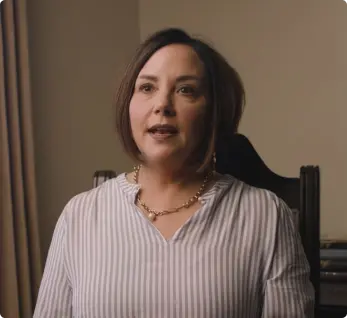
Michelle Strong
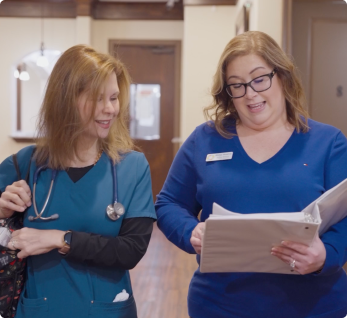
All Star Hospice
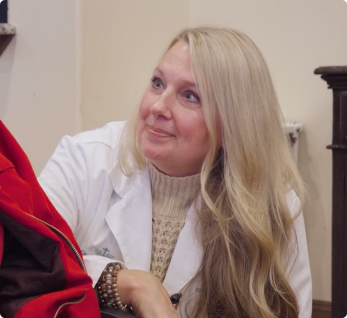
Christian Care House Calls
Testimonials

Carol Rup
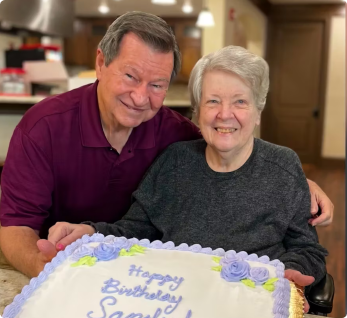
Jim Howard
Greg and Cindy Heitzman
Downloadable Resources
We Are Avalon
Discover the heart of our community; download ‘We Are Avalon’ to get to know our dedicated team and our commitment to providing a warm, family-like environment.
Transitional Care Guide
If you’re considering a transition, we’re here to help; download our Transitional Care Guide for compassionate guidance through each step of the process.
Schedule a Tour
Visit one of our 30+ campuses and experience our unique approach to memory care.