

Brain Health & Alzheimer’s: How to Support Your Loved One
June is Alzheimer’s & Brain Awareness Month, a meaningful time to pause, learn, and take action. From understanding how Alzheimer’s is diagnosed to exploring how lifestyle changes and medication can support brain health, this guide is designed to give families clarity, hope, and a compassionate path forward.
What Is Alzheimer’s Disease?
Alzheimer’s is the most common form of dementia, accounting for an estimated 60-80% of all dementia cases. It is a progressive neurological disease that gradually deteriorates memory, thinking skills, and the ability to carry out daily tasks. While Alzheimer’s is not a normal part of aging, age is the greatest known risk factor. Most people with the disease are 65 or older, though younger-onset Alzheimer’s does occur.
Recognizing the Signs of Cognitive Decline
It can be difficult to recognize the early signs of cognitive decline. Many people wonder, “Do I have Alzheimer’s?” or notice something off in a parent or spouse and feel uncertain about what to do next.
Common early warning signs include:
- Memory loss that disrupts daily life, such as forgetting recently learned information or important dates
- Difficulty planning or solving problems
- Confusion with time or place
- Trouble following familiar directions or completing familiar tasks
- Changes in mood, personality, or social withdrawal
- Poor judgment or decision-making
- Losing things and being unable to retrace steps
Occasional forgetfulness, like forgetting where you placed your keys, is a normal part of aging. Alzheimer’s-related memory changes are more persistent, worsen over time, and begin to interfere with daily functioning.
How Is Alzheimer’s Diagnosed?
There is no single test that definitively diagnoses Alzheimer’s, but a thorough evaluation can provide clarity. A medical evaluation typically includes:
Medical history and symptom review – The physician will ask about changes in memory, behavior, and function, and may speak with a close family member or caregiver for additional insight.
Cognitive and neurological testing – Standardized assessments measure memory, problem-solving, language, and other cognitive functions. These are sometimes referred to as dementia screening tests or cognitive assessments.
Physical and lab tests – Blood tests and other screenings help rule out other causes of symptoms, such as thyroid issues, vitamin deficiencies, or medication side effects.
Brain imaging – MRI or CT scans can identify changes in brain structure, such as shrinkage in areas associated with memory.
The Role of Medication in Alzheimer’s Care
There is currently no cure for Alzheimer’s, but Alzheimer’s medication can play an important role in managing symptoms and improving quality of life, particularly in the early and middle stages of the disease. Medication decisions should always be made in close partnership with a physician who understands the full picture of your loved one’s health.
Lifestyle Changes That Support Brain Health
While there is no guaranteed way to prevent Alzheimer’s, research increasingly supports the idea that certain lifestyle habits may help protect brain health and potentially slow the progression of cognitive decline.
Physical activity – Regular exercise increases blood flow to the brain and may help reduce the risk of cognitive decline. For those already living with Alzheimer’s, gentle movement such as walking, stretching, or chair yoga can support mood, reduce restlessness, and improve sleep.
Brain exercises for Alzheimer’s – Cognitive stimulation activities, including puzzles, music, art, storytelling, and reminiscence therapy, can help maintain engagement and support well-being. Research suggests that mentally stimulating activities may help preserve function, especially in earlier stages of the disease. At Avalon, we integrate meaningful daily activities into every resident’s routine for exactly this reason.
Nutrition – A heart-healthy diet, including the Mediterranean or MIND diet, has been linked to better brain health. Nutrient-rich foods, limiting processed foods, and staying well hydrated all contribute to overall cognitive wellness.
Sleep – Quality sleep is essential for brain health. During sleep, the brain clears out toxic waste products, including amyloid proteins associated with Alzheimer’s. Addressing sleep disturbances in a loved one with dementia is an important and often overlooked area of care.
Social connection – Isolation and loneliness are known risk factors for cognitive decline. Maintaining meaningful relationships and a sense of belonging is both emotionally and neurologically important.
Managing other health conditions – Conditions such as high blood pressure, diabetes, heart disease, and depression have all been linked to increased dementia risk. Keeping these conditions well-managed through regular medical care is an important piece of brain health.
Support Options for Alzheimer’s
Memory Care can help individuals manage medications, provide support with daily activities, and provide social connection opportunities. Avalon provides senior living with a sole focus on supporting those with memory care needs. We provide professional and sensitive care for the physical, emotional, mental, social, and spiritual needs of your loved one living with Alzheimer’s, dementia, or other cognitive impairments.
If you are ready to learn about memory care options for your loved one, we would be happy to be a resource for you. Reach out to our Avalon team to learn more.


See More Articles
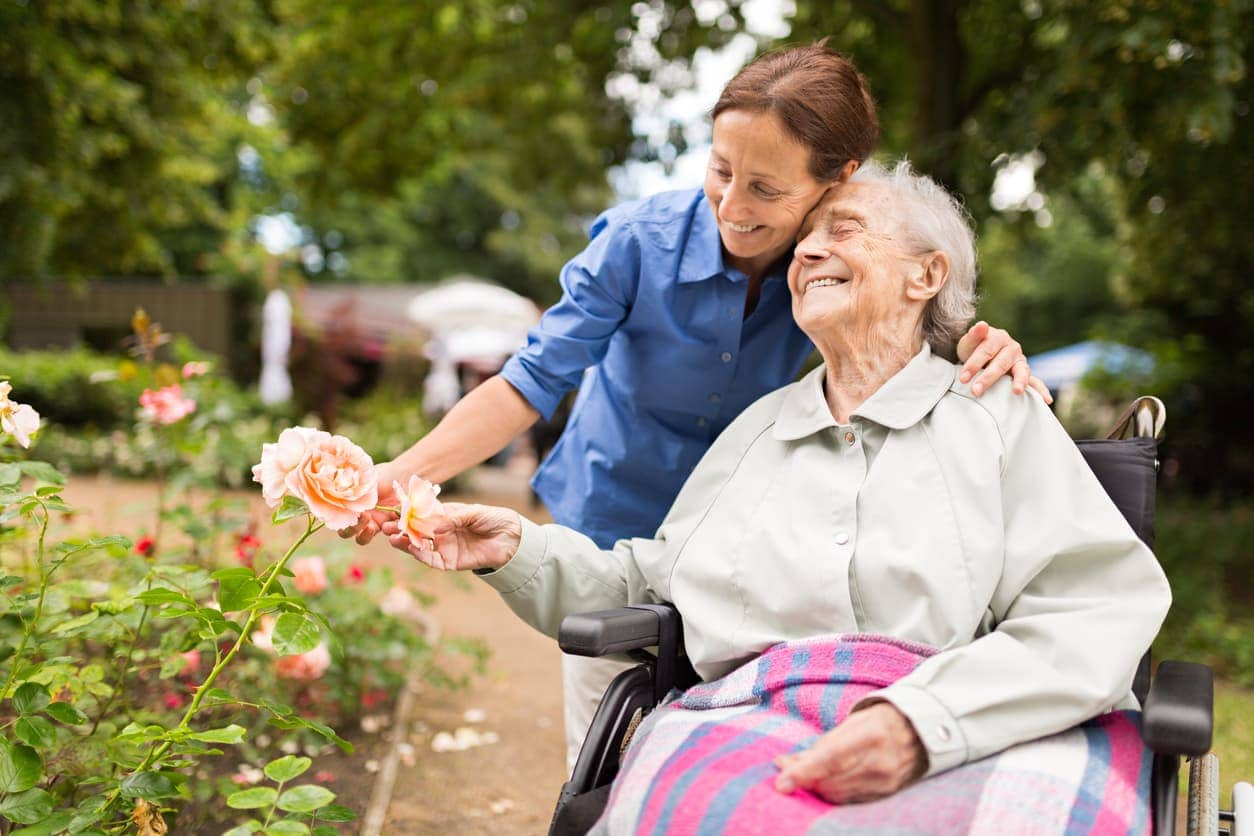
- Visiting Your Aging Parent With Memory Loss at Avalon Memory Care

As a loving son or daughter, you naturally want the best of care for your senior parent. The compassionate assisted living caregivers at Avalon Memory Care want you to know that while your parent is living with us, he or she will receive nothing less than respectful, loving care within our comfortable, safe, and fully-staffed
- Celebrating New Year’s Day in Memory Care

Families often find that celebrations with their loved ones in memory care are easier when they embrace new traditions. For instance, it may not be practical to expect your loved one to stay up until midnight on New Year’s Eve. Instead, consider throwing a New Year’s Day celebration, complete with a countdown to the first
- Understanding Parkinson’s Disease and Dementia

Parkinson’s disease is an incurable neurological disorder, with progressively worsening complications. Perhaps the most well-known symptom of Parkinson’s is a hand tremor, but it can also cause speech changes, muscle rigidity, and impaired posture. Eventually, as the disease progresses, more than half of all individuals with Parkinson’s will require dementia care. This particular type of
Our team is committed to delivering personalized care for your loved one

Michelle Strong
All Star Hospice
Christian Care House Calls
Testimonials

Carol Rup
Jim Howard

Greg and Cindy Heitzman
Downloadable Resources
We Are Avalon
Discover the heart of our community; download ‘We Are Avalon’ to get to know our dedicated team and our commitment to providing a warm, family-like environment.
Transitional Care Guide
If you’re considering a transition, we’re here to help; download our Transitional Care Guide for compassionate guidance through each step of the process.
Schedule a Tour
Visit one of our 30+ campuses and experience our unique approach to memory care.