

What to Look for in a Memory Care Community: A Family Guide
Choosing a memory care community for a loved one is a significant family decision. It’s natural to feel overwhelmed, but knowing what to look for in a community can provide clarity and peace of mind. Quality memory care should focus on promoting a resident’s dignity and autonomy while providing a secure and engaging environment.
A Safe & Comforting Atmosphere for Residents with Dementia
A comforting, secure setting is essential for individuals with Alzheimer’s or other forms of dementia. Large buildings can be confusing and overwhelming. Instead, look for:
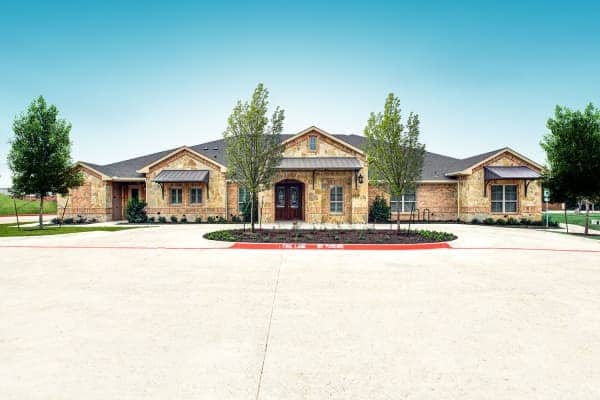
- A Home-Like Design: Look for a community that feels like home. From furnishings to lighting to layout, a family-like atmosphere can boost moods and reduce feelings of loneliness.
- Security Features: A secure environment is key to prevent wandering and ensure safety. Look for features such as magnetic door locks at all entryways and a secure outdoor patio or backyard for safe access to fresh air and nature.
- Fall Prevention Measures: The environment should have features that reduce the risk of falls, such as well-lit, clear areas, easy-to-navigate floor plans, and the strategic placement of handrails.
Specialized Programming, Care, and Daily Routines for Seniors with Dementia
The programs should be customized to loved one’s individual needs, interests, and strengths to provide a sense of purpose and social connectivity.
- Individualized Care Plans: Care plans should be personalized to reflect each resident’s unique needs, strengths, and preferences. These plans should be flexible and regularly reviewed.
- Meaningful Activities: High-quality care offers daily social connectivity and mental stimulation opportunities. Examples include:
- Pet, music, and art therapy.
- Cognitive-stimulating activities like reminiscing games and puzzles.
- Encouragement to do activities that fit current abilities, such as baking or gardening.
- Structured Routine: A predictable daily routine, including consistent mealtimes and frequent engaging activities, helps minimize disruption and promotes overall well-being.
- Holistic Focus: Quality memory care addresses the physical, emotional, social, and spiritual needs of every resident. This specialized approach often leads to a reduction in medications and improved overall well-being.
Memory Care Staff Training and Family Communication
The people providing care are an essential element of a quality community.
- Specialized Training: Caregivers should be highly trained, skillful, compassionate, and specifically trained in dementia care practices. This training should cover topics like managing challenging behaviors and emergency protocols. Ask about the staff-to-resident ratio and turnover rate. Consistent, dedicated staff members create a better, more familiar living environment for residents.
- Family Inclusion: Families are encouraged to be heavily involved in the care journey. Ensure it is easy for family and friends to visit often and regular updates on resident health and well-being are expected.
What Stage of Dementia is My Loved One In?
To better understand your loved one’s current needs, use the Functional Assessment Staging Tool (FAST) scale. The FAST scale is a clinical diagnostic tool that tracks the progression of dementia, particularly Alzheimer’s disease, by focusing on a person’s functional abilities and daily tasks.
Ready to see the Avalon Difference?Our goal is to provide exceptional, individualized memory care that restores dignity and creates a family-like atmosphere. Schedule a Tour of Avalon Memory Care community to see our specialized approach and home-like environment firsthand.
See More Articles
- Visiting Your Aging Parent With Memory Loss at Avalon Memory Care

As a loving son or daughter, you naturally want the best of care for your senior parent. The compassionate assisted living caregivers at Avalon Memory Care want you to know that while your parent is living with us, he or she will receive nothing less than respectful, loving care within our comfortable, safe, and fully-staffed
- Celebrating New Year’s Day in Memory Care

Families often find that celebrations with their loved ones in memory care are easier when they embrace new traditions. For instance, it may not be practical to expect your loved one to stay up until midnight on New Year’s Eve. Instead, consider throwing a New Year’s Day celebration, complete with a countdown to the first
- Understanding Parkinson’s Disease and Dementia

Parkinson’s disease is an incurable neurological disorder, with progressively worsening complications. Perhaps the most well-known symptom of Parkinson’s is a hand tremor, but it can also cause speech changes, muscle rigidity, and impaired posture. Eventually, as the disease progresses, more than half of all individuals with Parkinson’s will require dementia care. This particular type of
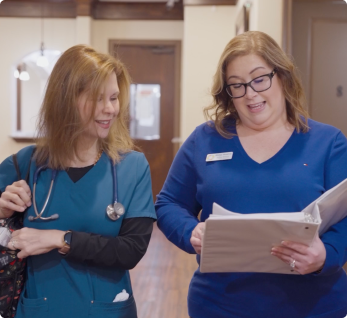
Our team is committed to delivering personalized care for your loved one
Michelle Strong
All Star Hospice
Christian Care House Calls
Testimonials
Carol Rup
Jim Howard
Greg and Cindy Heitzman
Downloadable Resources
We Are Avalon
Discover the heart of our community; download ‘We Are Avalon’ to get to know our dedicated team and our commitment to providing a warm, family-like environment.
Transitional Care Guide
If you’re considering a transition, we’re here to help; download our Transitional Care Guide for compassionate guidance through each step of the process.
Schedule a Tour
Visit one of our 30+ campuses and experience our unique approach to memory care.