

What to Look For on a Memory Care Tour
Not sure what to ask or look for when touring memory care communities? This guide covers what matters most, helping you feel prepared for each tour and confident in choosing the right community for your loved one.
Start With How Staff Actually Interact With Residents
Staff interaction is the single best predictor of resident well-being in a memory care setting. Here are some things to consider as you walk through:
- Pay attention to how care team members connect with residents
- Look for a calm, unhurried pace, even during busy moments like meals
- Notice if staff redirect gently rather than correct or argue with a confused resident
Understand the Daily Routine
A fulfilling life includes social interaction and recreational activities. The community should plan engaging social opportunities to keep your loved ones active and stimulated. Ask:
- How are activities adapted for residents at different stages of dementia?
- What happens for a resident who doesn’t want to join a group activity?
- Are there quiet, sensory-friendly spaces for residents who get overstimulated?
Check the Details That Affect Safety and Comfort
Security and comfort work together in a well-designed memory care setting. Look for:
- Secured outdoor space, such as a patio or backyard, that residents can access without a staff escort every time
- Magnetic or code-based door locks that prevent wandering off the property without restricting movement inside
- Private or semi-private rooms residents can personalize with familiar belongings
- A ranch-style or single-level layout, which reduces fall risk and disorientation compared to multi-story buildings
Ask About the Model of Care
A memory care community’s philosophy on how to care for residents with memory loss can shape daily life. Make sure you have a good understanding of how the community handles care, promotes autonomy, and personalizes support for each resident. This will allow you to choose a community that aligns with personal preferences. Ask how the community approaches:
- Medication management
- Family involvement
- Personal care tasks
- Supporting autonomy
FAQ
What questions should I ask about staff during the tour?
Having a list of important questions with you, can keep you organized during the tour and ensures nothing gets missed. Here are a few questions we recommend asking:
- What’s the staff-to-resident ratio during the day and overnight?
- What specific dementia care training does the staff receive?
- How do you handle sundowning or agitation in the late afternoon?
- What’s included in the monthly cost, and what triggers an additional charge?
- How do you personalize care plans as a resident’s needs change?
- Can I speak with a current resident’s family member?
How do I know if a memory care community is the right fit?
Trust what you observe. After leaving a tour families usually have a sense of whether a community feels like a good fit for their loved one.If you leave feeling reassured about how staff cares for residents and how daily life actually runs, that’s usually a good sign.
If you’re ready to see what a home-like, family-owned approach to memory care looks like in person, schedule a tour with Avalon Memory Care.



See More Articles
- Understanding Parkinson’s Disease and Dementia

Parkinson’s disease is an incurable neurological disorder, with progressively worsening complications. Perhaps the most well-known symptom of Parkinson’s is a hand tremor, but it can also cause speech changes, muscle rigidity, and impaired posture. Eventually, as the disease progresses, more than half of all individuals with Parkinson’s will require dementia care. This particular type of
- The Long Goodbye: Understanding Anticipatory Grief and Dementia

When you have a family member who is suffering from dementia, it’s not unusual to find yourself experiencing sharp and sudden emotions. The gradual loss of a loved one is, in many ways, comparable to experiencing the death of someone close to you. With progressive dementia, this sense of loss is accompanied by another emotion
- Hope For the Future: Emerging Alzheimer’s Research

According to the latest statistics, as many as 5.5 million Americans are living with Alzheimer’s disease, and its prevalence is only expected to rise in the next few decades. At the same time, however, research into treatments for the condition is accelerating. With every passing year, we move a little further down the road toward
Our team is committed to delivering personalized care for your loved one
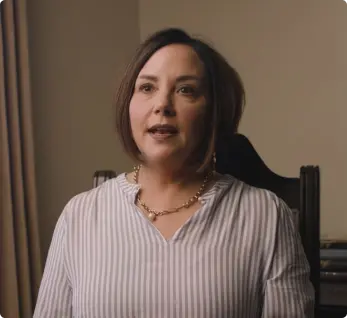
Michelle Strong
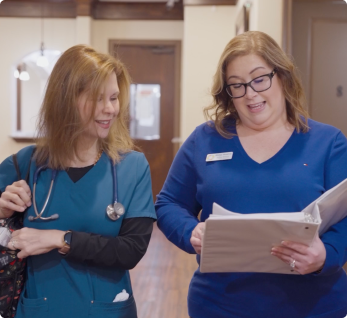
All Star Hospice
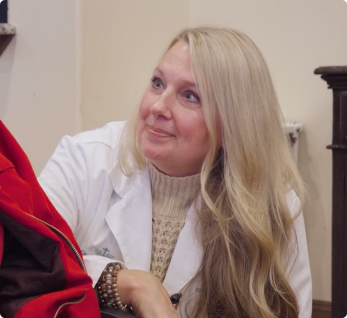
Christian Care House Calls
Testimonials
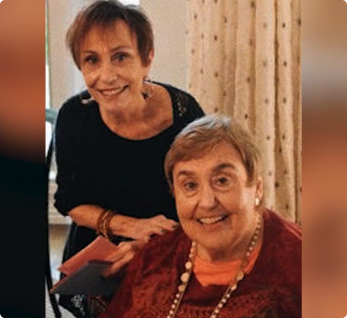
Carol Rup
Jim Howard

Greg and Cindy Heitzman
Downloadable Resources
We Are Avalon
Discover the heart of our community; download ‘We Are Avalon’ to get to know our dedicated team and our commitment to providing a warm, family-like environment.
Transitional Care Guide
If you’re considering a transition, we’re here to help; download our Transitional Care Guide for compassionate guidance through each step of the process.
Schedule a Tour
Visit one of our 30+ campuses and experience our unique approach to memory care.