
What Is Memory Care and How Is It Different from Other Senior Living Options?
If you have started researching care options for a parent or spouse living with Alzheimer’s or another form of dementia, you have probably noticed how many terms get used almost interchangeably: assisted living, nursing homes, memory care, skilled nursing. It can be hard to know which one actually fits your loved one’s needs. Understanding the differences can save you time and offer peace-of-mind.
What is Memory Care?
Memory care is a specialized type of senior living designed specifically for people with Alzheimer’s, dementia, or other cognitive impairments. Unlike other senior living options, memory care communities are built around the unique challenges that come with memory loss such as wandering, confusion, sundowning, and the need for consistent daily routines.
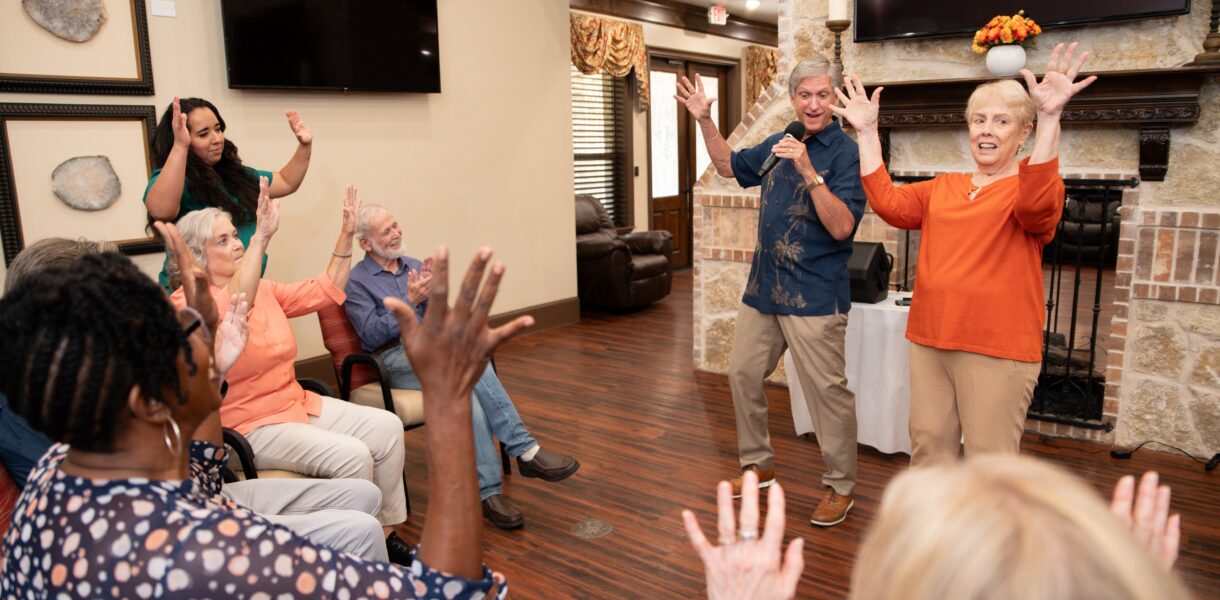
At Avalon Memory Care, our sole focus is memory care. That specialization shapes everything from the layout of our homes to the training of our staff to the daily activities residents take part in. Every detail is designed to support the holistic needs of someone living with a cognitive impairment.
How Memory Care Differs from Assisted Living & Skilled Nursing
Assisted Living
Assisted living is designed for seniors who need some help with daily tasks like bathing, dressing, or medication management, but who are otherwise cognitively independent. The environment is often larger, with less structure around routine and less specialized supervision.
Skilled Nursing
Skilled nursing is built for residents with significant medical needs who require around-the-clock clinical care, such as recovery from surgery or management of complex health conditions. The environment tends to emphasize medical treatment.
Memory Care
Along with supporting care needs, memory care offers further support specific to the needs of individuals with memory loss. This usually includes:
- Specialized staff trained to respond to confusion, agitation, or repeated questions
- Structured daily routines to promote predictability and reduce anxiety
- Magnetic door locks and enclosed patios to prevent wandering
At Avalon, we emphasize quality of life for our residents through a home-like setting, compassionate care, and purpose-driven activities. This approach supports self-esteem, dignity, and autonomy while providing daily joys and happiness.
Why the Difference Matters for Your Family
Choosing the right level of care can help your loved one feel safe, supported, and comforted. Memory care offers specialized care with an emphasis on routine and comfort to best match the needs of individuals with memory loss.
What to Look for in a Memory Care Community
As you tour communities, here are a few things to include on your checklist:
- Secured, home-like design – Look for enclosed outdoor spaces and layouts that feel residential rather than institutional.
- Staff training and ratios – Ask about staff training specifically for dementia and resident-to-staff ratios.
- Individualized care plans – Daily routines should be flexible to match the needs of individuals in different stages of memory loss
As a family-owned provider with a sole focus on memory care, we understand that choosing a community for your loved one can be a difficult decision for families. If you would like to talk through your loved one’s specific situation, our team is happy to answer your questions and help you understand what memory care could look like for your family. Contact us to schedule a conversation.



See More Articles
- Understanding Parkinson’s Disease and Dementia

Parkinson’s disease is an incurable neurological disorder, with progressively worsening complications. Perhaps the most well-known symptom of Parkinson’s is a hand tremor, but it can also cause speech changes, muscle rigidity, and impaired posture. Eventually, as the disease progresses, more than half of all individuals with Parkinson’s will require dementia care. This particular type of
- The Long Goodbye: Understanding Anticipatory Grief and Dementia

When you have a family member who is suffering from dementia, it’s not unusual to find yourself experiencing sharp and sudden emotions. The gradual loss of a loved one is, in many ways, comparable to experiencing the death of someone close to you. With progressive dementia, this sense of loss is accompanied by another emotion
- Hope For the Future: Emerging Alzheimer’s Research

According to the latest statistics, as many as 5.5 million Americans are living with Alzheimer’s disease, and its prevalence is only expected to rise in the next few decades. At the same time, however, research into treatments for the condition is accelerating. With every passing year, we move a little further down the road toward
Our team is committed to delivering personalized care for your loved one
Michelle Strong
All Star Hospice
Christian Care House Calls
Testimonials
Carol Rup
Jim Howard
Greg and Cindy Heitzman
Downloadable Resources
We Are Avalon
Discover the heart of our community; download ‘We Are Avalon’ to get to know our dedicated team and our commitment to providing a warm, family-like environment.
Transitional Care Guide
If you’re considering a transition, we’re here to help; download our Transitional Care Guide for compassionate guidance through each step of the process.
Schedule a Tour
Visit one of our 30+ campuses and experience our unique approach to memory care.