
How Isolation Affects Memory and Cognitive Skills
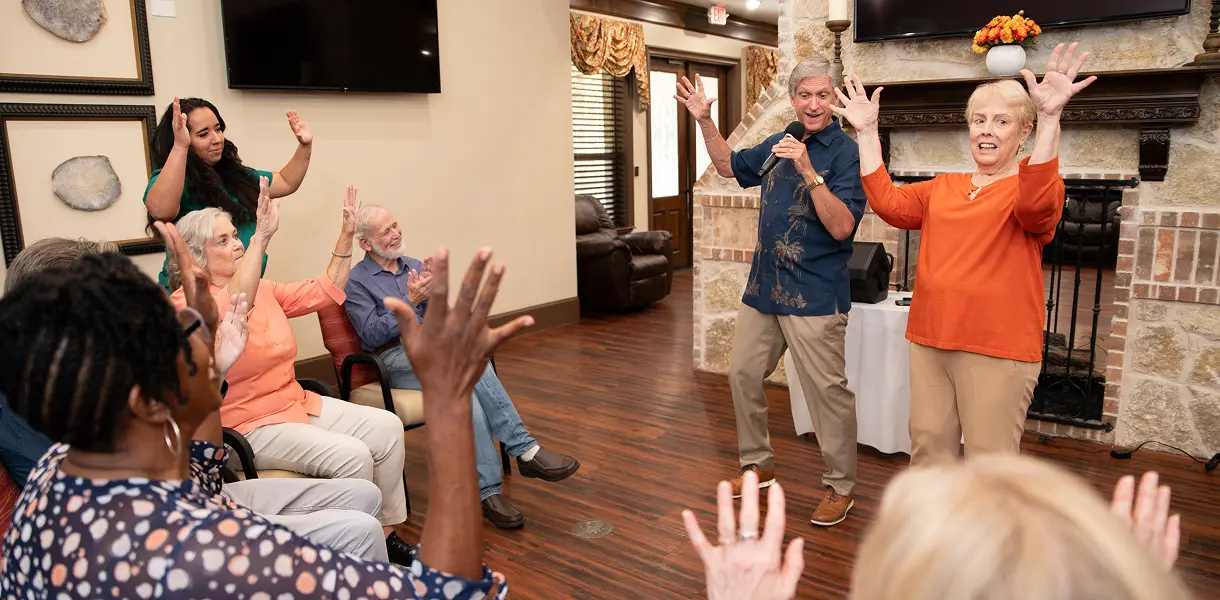
A familiar voice. A shared meal. A favorite song that brings back a story. These everyday moments of connection give the brain meaningful opportunities to stay engaged.
For someone living with Alzheimer’s disease or another form of dementia, those moments can become harder to come by. Memory changes may make it difficult to follow conversations, make plans or participate in familiar activities. Over time, a loved one may begin spending more of the day alone.
Social isolation has been linked to faster cognitive decline. Recognizing the signs can help families find more ways to keep a loved one involved and connected.
How Does Social Isolation Affect Memory?
Social isolation means having limited contact or support from others. Loneliness is the feeling of being disconnected, even when other people are nearby. A person may experience either one or both.
Isolation does not necessarily cause memory loss, but it can affect several parts of daily life that support cognitive health.
Fewer Opportunities to Use Cognitive Skills
Conversation asks the brain to listen, recall information and respond. Music, games, cooking and other shared activities engage memory and attention in different ways. Regular interaction gives a loved one more opportunities to use these skills naturally.
Changes in Mood and Interest
Feeling disconnected can affect mood, motivation and concentration. A loved one may become quieter or lose interest in activities they once enjoyed, making it even harder to reconnect.
Less Movement and Routine
Connection often brings movement and structure into the day through walks, shared meals and activities. These familiar touchpoints can help someone living with memory loss feel more comfortable and oriented.
What are Signs a Loved One May Be Experiencing Social Isolation?
Memory changes can make social situations feel tiring or overwhelming. Your loved one may stop reaching out because they have trouble following conversations or feel unsure of themselves.
You may also notice that they:
- Rarely call or spend time with friends
- Have stopped participating in familiar activities
- Spend most of the day alone
- Seem increasingly quiet, anxious or confused
- Have difficulty maintaining regular meals or sleep routines
Talk with your loved one’s physician about new or worsening symptoms. Depression, hearing loss, medication side effects and other health concerns can also affect memory and social engagement.
How to Help Someone With Dementia Stay Socially Connected
Connection can begin with simple, familiar activities. Share a meal, look through family photographs, listen to favorite music or take a short walk. Folding towels, watering plants or preparing a familiar recipe can also create natural opportunities for conversation.
Follow your loved one’s interests and current abilities so the time you spend together feels comfortable and enjoyable.
How Does Memory Care Provide Consistent Social Connection?
Families want their loved ones to have companionship throughout the day, but providing consistent interaction at home can become difficult. Memory care creates regular opportunities to spend time with others within a familiar daily routine.
At Avalon Memory Care, residents can share meals, enjoy engaging activities and spend time with familiar team members and neighbors. Each person is encouraged to participate in ways that reflect their interests, abilities and preferences.
These everyday interactions bring conversation, movement and meaningful activity into the day. They also help residents feel included while giving families confidence that their loved one has regular opportunities to connect with others.
If your loved one is spending more time alone or finding it harder to stay involved at home, contact Avalon Memory Care to learn how memory care could support them.


See More Articles
- Visiting Your Aging Parent With Memory Loss at Avalon Memory Care

As a loving son or daughter, you naturally want the best of care for your senior parent. The compassionate assisted living caregivers at Avalon Memory Care want you to know that while your parent is living with us, he or she will receive nothing less than respectful, loving care within our comfortable, safe, and fully-staffed
- Celebrating New Year’s Day in Memory Care

Families often find that celebrations with their loved ones in memory care are easier when they embrace new traditions. For instance, it may not be practical to expect your loved one to stay up until midnight on New Year’s Eve. Instead, consider throwing a New Year’s Day celebration, complete with a countdown to the first
- Understanding Parkinson’s Disease and Dementia

Parkinson’s disease is an incurable neurological disorder, with progressively worsening complications. Perhaps the most well-known symptom of Parkinson’s is a hand tremor, but it can also cause speech changes, muscle rigidity, and impaired posture. Eventually, as the disease progresses, more than half of all individuals with Parkinson’s will require dementia care. This particular type of
Our team is committed to delivering personalized care for your loved one
Michelle Strong
All Star Hospice
Christian Care House Calls
Testimonials

Carol Rup
Jim Howard
Greg and Cindy Heitzman
Downloadable Resources
We Are Avalon
Discover the heart of our community; download ‘We Are Avalon’ to get to know our dedicated team and our commitment to providing a warm, family-like environment.
Transitional Care Guide
If you’re considering a transition, we’re here to help; download our Transitional Care Guide for compassionate guidance through each step of the process.
Schedule a Tour
Visit one of our 30+ campuses and experience our unique approach to memory care.